MAZDA 329-59838 Lower Intake Manifold RX8
fits make: Mazda. year: 2004–2008.
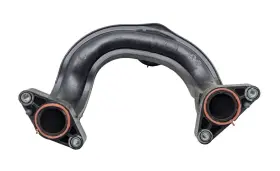
( Part Type: Intake Manifold ), ( Conditions Options: Lower ), ( Genuine Oem: Yes ), ( Ipn: 329-59838 ), ( Manufacturer Warranty: 60 Day ), ( Paint: Blue )
Review MAZDA Intake Manifold Lower Rx8 fits 2004–2008
Introducing the Mazda RX8 329-59838 Intake Manifold Lower, a crucial component of your rotary engine's intake system. This part is specifically designed for Mazda RX8 models from the years 2004 to 2008.
The intake manifold is responsible for distributing the air-fuel mixture from the air filter to the rotor housings in the engine. This lower intake manifold is intricately engineered to ensure optimal airflow and efficient combustion. The design features a unique rotor housing port arrangement and a smooth, continuous intake runner for improved throttle response and power delivery.
The Mazda 329-59838 Intake Manifold Lower is made from high-quality materials to ensure durability and reliability. The manifold is constructed primarily from aluminum, a lightweight yet strong metal, which helps to reduce the overall weight of the engine. The intake ports are precision machined to ensure a perfect seal with the intake runners, minimizing air leaks and improving efficiency.
This intake manifold is a direct replacement for the original part, ensuring a seamless installation process. It comes complete with all necessary gaskets and hardware for a hassle-free installation. Moreover, it is engineered to meet or exceed the original equipment specifications, ensuring optimal engine performance.
In conclusion, the Mazda RX8 329-59838 Intake Manifold Lower is an essential component for maintaining the performance and reliability of your Mazda RX8 rotary engine. Its unique design, high-quality materials, and direct replacement status make it an excellent choice for Mazda RX8 owners looking to keep their vehicles running at their best.
The Mazda RX8 329-59838 intake manifold lower (IML) is a crucial component of the engine's intake system. This part is responsible for distributing the air and fuel mixture into the engine's cylinders. If you are considering buying this part for your Mazda RX8, here are some pros and cons to help you make an informed decision.
Pros:1. Improved Performance: A new IML can lead to improved engine performance. A worn-out IML can lead to uneven air/fuel distribution, causing misfires and a decrease in power.
2. Better Fuel Economy: A new IML can help improve fuel economy by ensuring efficient air and fuel mixture distribution, leading to better combustion and less fuel waste.
3. Smoother Idle: A new IML can result in a smoother idle, as it eliminates the risk of misfires and other engine issues that can cause a rough idle.
4. Longer Engine Life: A new IML can contribute to a longer engine life by preventing engine damage caused by misfires and other issues.
Cons:1. Cost: Replacing the IML can be relatively expensive, with aftermarket parts costing anywhere from $300 to $600, depending on the brand and quality.
2. Installation Complexity: Installing the IML can be a complex process, requiring specialized tools and knowledge. It is recommended to have a professional mechanic install the part to ensure proper installation and avoid any potential damage to other engine components.
3. Labor Costs: Labor costs for installing the IML can add to the overall cost, as it is a time-consuming process.
4. Potential for Other Issues: Replacing the IML does not guarantee that all engine issues will be resolved, as there may be other underlying problems that need to be addressed.
Conclusion:Replacing the Mazda RX8 329-59838 intake manifold lower can lead to improved engine performance, better fuel economy, a smoother idle, and a longer engine life. However, it can also be an expensive and complex process, with labor and parts costs adding up. Before deciding to replace the IML, it is recommended to have a professional mechanic diagnose any engine issues and determine if the IML is, in fact, the root cause. If the IML is the problem, it may be worth the investment to improve the overall performance and longevity of the engine. If other issues are present, it may be more cost-effective to address those first. Ultimately, the decision to replace the IML should be based on a thorough assessment of the vehicle's condition and the potential benefits and costs involved.
Details:
specifications inputmanifolds:
- for makes: Mazda
- for years: 2004-2008
- part type: Intake Manifold
- conditions options: Lower
- genuine oem: Yes
- interchange part number: 329-59838
- manufacturer warranty: 60 Day
- paint: Blue
seller inputmanifolds:
- city: Independence, Oregon
- # reviews: 1683
- rating: 99.7%
payments inputmanifolds:
- wallet: Google-pay
- other
- credit card: Discover
general inputmanifolds:
- condition: Used
- Car Truck Parts Accessories > Air Fuel Delivery > Intake Manifolds
shipping inputmanifolds:
- carrier: FedEx, USPS
- service: FedEx Ground / FedEx Home Delivery, USPS Ground Advantage
- class: Standard
- cost: $0.00
- transit: 4-7 Days
- type: Fixed
offer inputmanifolds:
- options: Ship-to-home
- sold: 0
- availability: In Stock
- quantity: 1
- started: November 8, 2025
returns inputmanifolds:
- paid by: Buyer
- policy: Returns Accepted
- time: 30 Days
Mazda Is Similar To:
- Mazda 329-59225 Intake Manifold From 1997 Protege 1.6 (61% similar) Fitment type: protege 97-98 1.5L. Please replace such items as required for proper installation...(June 24th, 2024)
- Mazda Bpe813100d 1994-1997 Miata Intake Manifold 1.8l Bpe8 Also Works With 1.8 Swap On 1.6 Car (39.7% similar) 1994-1997 Marta intake manifold 1.8L BPE8 also works with 1.8 swap on 1.6 car. Free shipping 48 states street address only. Nice condition...(June 24th, 2024)
- Mazda 329-01874 Pair Lower Intake Manifolds 3.0l Fits 06-09 Fusion (64.4% similar) Part #: mazda 320270 for sale...(June 27th, 2024)
- Mazda 329-59836 Intake Manifold 2.3l Fits 04-09 3 (83.2% similar) Any bulbs or wiring still attached to the,tail light,assemblies are not warranted part of the listing in any way. Steering columns: all steering columns sold will come without airbags. Check the q a section for business support. Transmissions, when installing a transmission the torque converter...(June 28th, 2024)
- Mazda 329-50310 Intake Manifold Upper Surge Tank Fits 07-08 Cx-9 624984 (71.5% similar) L left side driver side, r right passenger. At automatic transmission, mt manual MIA missing, man as in not automatic. This part will only fit the makes and model's with options shown in above donor vehicle section. Control modules, radio/audio units, and other electronic parts may require...(July 21st, 2024)
- Mazda 329-50311 Intake Manifold Lower Inlet Fits 07-12 Cx-9 304574 (74.6% similar) Shipping most shipping charges are listed in the section on item listing. USA shipping costs listed in the offer are for to lower 48 states only...(July 25th, 2024)
- Mazda N3h1-13-221 Rx8 Rx-8 Genuine Intake Pipe Duct Hose Air Box Throttle Body 2004-2008 (40% similar) Inlet/outlet nipples vacuum lines. Are intact and functional on rubber tube. Mazda quality engine part. No splitting or cracking on ribs of hose. Small square unit has no cracks or breaks. Due to many years of service and the harsh engine environment under hood. Mazda RX8 RX-8 genuine...(July 27th, 2024)
- Mazda 329-50397 Intake Manifold Fits Cx-7 2009 2013 Oem (64.2% similar) Standard warranty...(August 10th, 2024)
- Mazda Truck 329-59915 2012-2013 3 2013 Cx5 2.0l Engine Intake Manifold Assembly Oem (47.4% similar) Most items are shipped the same-day as purchase. Transfer cases will not be included with transmissions from 4X4 or all wheel drive vehicles. Warranty period begins the day after delivery. Buyer will need to replace the transmission oil filter, put a new pan gasket on, flush and add manufacturer...(August 11th, 2024)
- Mazda 329-59835 Intake Manifold From 2008 3 2.0 Lf6213100k Fwd (64.9% similar) Please replace such items as required for proper installation. Fitment type: 3/0 4-09 2.0L...(August 11th, 2024)
- Mazda N3h61323xa Intake Manifold Rx8 2004 2011 1.3l 2cyl Mt Engine Motor Middle Air Oem (41.7% similar) Part #: mazda N3H61323XA for sale...(August 16th, 2024)

5 offers $96.24–$169.95 USD
- Used. Offer #1 priced at $169.95 + $0.00 delivery = $169.95* total. This item(s) is in good and full working condition Model : RX8.FREE SHIPPING
- Used. Offer #2 priced at $96.24 + $0.00 delivery = $96.24* total. FREE SHIPPING
- Used. Offer #3 priced at $125.11 + $0.00 delivery = $125.11* total. FREE SHIPPING
- Used. Offer #4 priced at $100.00 + $87.54 delivery = $187.54* total. +$87.54 shipping
- Used. Offer #5 priced at $369.15 + $0.00 delivery = $369.15* total. FREE SHIPPING