MERCEDES 6161410801 Engine Intake Manifold Benz
fits model: W123, 240d. make: Mercedes. year: 1977–1983.
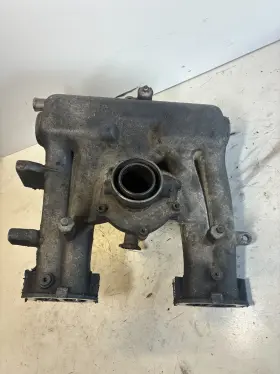
( Mounting Style: Bolt-on ), ( Type: Intake Manifold ), ( Color: Silver ), ( Manufacturer Part Number: 6161410801 ), ( Material: Aluminum ), ( Universal Fitment: No ), ( Vintage Part: Yes ), ( Country Of Origin: Germany ), ( Placement On Vehicle: Front ), ( Fuel Type: Diesel )
Review MERCEDES benz Engine Intake Manifold fits W123 240D 1977–1983
The Mercedes-Benz 6161410801 engine intake manifold is a crucial component of the fuel-efficient 2.4-liter OM617 diesel engine found in Mercedes-Benz W123 series vehicles produced between 1977 and 1983. This intake manifold is specifically designed for the 240D model.
This intake manifold is meticulously engineered to provide an optimal airflow distribution to the engine's combustion chambers. It features a complex design with multiple runners and ports, each meticulously tuned to ensure precise fuel-air mixture delivery for optimal engine performance.
The intake manifold is constructed primarily of aluminum, which not only contributes to its lightweight design but also enhances its thermal conductivity, helping to maintain a consistent engine temperature. The engine's cylinder heads attach to the intake manifold, making this component a vital link between the engine's air intake system and the combustion chambers.
This Mercedes-Benz intake manifold is equipped with O-ring seals, ensuring a leak-free connection between the intake manifold and the cylinder heads. The gaskets are also designed to endure the high compression and temperature conditions within the engine, providing a reliable seal that lasts.
This intake manifold is a direct fit for the Mercedes-Benz W123 240D model cars from 1977 to 1983. Installing it requires no modification, making it a straightforward process for experienced mechanics or professional shops. It is an excellent replacement option for worn-out or damaged intake manifolds or for those seeking to improve their engine's performance.
In summary, the Mercedes-Benz 6161410801 engine intake manifold is a crucial element of the 2.4-liter OM617 diesel engine found in the 1977-1983 W123 240D series vehicles. It is meticulously designed for optimal airflow distribution, lightweight, and features O-ring seals for a leak-free connection. This intake manifold is a direct fit and provides a straightforward installation process.
Buying a Mercedes-Benz intake manifold for a 1977-1983 W123 240d (part number 616.14.1.0.1) can be a significant investment for vehicle owners looking to maintain or improve the performance of their cars. Here are some pros and cons to consider before making a purchase.
Pros:1. Improved Performance: A new intake manifold can lead to improved engine performance, including increased horsepower and torque. This can result in better acceleration and overall driving experience.
2. Reliability: A new intake manifold is more reliable than a used or worn-out one. It can help prevent issues such as misfires, rough idling, and poor fuel economy.
3. Better Fuel Efficiency: A well-functioning intake manifold can help improve fuel efficiency by ensuring that the correct amount of air and fuel mixture enters the engine.
4. Longer Engine Life: A new intake manifold can help extend the life of the engine by reducing wear and tear on other components.
Cons:1. Cost: A new Mercedes-Benz intake manifold can be expensive, especially for older models. The cost can vary depending on the condition of the existing manifold, the availability of the part, and the labor costs associated with installation.
2. Installation Complexity: Installing a new intake manifold can be a complex and time-consuming process. It requires specialized tools and knowledge, and it may take several hours to complete.
3. Potential for Damage: During the installation process, there is a risk of damaging other engine components or the intake manifold itself. This can add to the overall cost of the repair.
Conclusion:In conclusion, buying a Mercedes-Benz intake manifold for a 1977-1983 W123 240d can be a worthwhile investment for those looking to improve their vehicle's performance, reliability, and fuel efficiency. However, it comes with a significant cost and installation complexity. Before making a purchase, it's essential to consider the condition of the existing manifold, the availability and cost of the new part, and the potential labor costs associated with installation. Ultimately, the decision to buy a new intake manifold depends on the individual's budget, vehicle usage, and personal preferences.
Recommendation:If the existing intake manifold is causing issues with the vehicle's performance or reliability, and the cost of a new one is within the budget, then it's recommended to go ahead and make the purchase. It's essential to ensure that the installation is done by a qualified mechanic to minimize the risk of damage to other engine components and to ensure proper installation and function of the new intake manifold.
Details:
Please refer to pictures for item condition.
part #: 6161410801 prices
- $45.99-$399.99
specifications inputmanifolds:
- for models: W123, 240d
- for makes: Mercedes
- for years: 1977-1983
- mounting style: Bolt-on
- type: Intake Manifold
- color: Silver
- manufacturer part number: 6161410801
- material: Aluminum
- universal fitment: No
- vintage part: Yes
- country of origin: Germany
- placement on vehicle: Front
- fuel type: Diesel
seller inputmanifolds:
- # reviews: 21916
- city: East Setauket, New York
- rating: 100.0%
shipping inputmanifolds:
- transit: 2-6 Days
- cost: $10.00
- service: Standard
- type: Fixed
- class: Standard
offer inputmanifolds:
- options: Ship-to-home
- started: April 23, 2026
- best offers: True
- availability: In Stock
- quantity: 1
- sold: 0
returns inputmanifolds:
- time: 60 Days
- paid by: Seller
- policy: Returns Accepted
general inputmanifolds:
- condition: Used
- Car Truck Parts Accessories > Air Fuel Delivery > Intake Manifolds
payments inputmanifolds:
- other
- credit card: Discover
- wallet: Apple-pay
Mercedes 6161410801 Is Similar To:
- Mercedes-benz 2761401344 2012 2018 M 276 Engine Intake Maniflod Lower Oem (60.6% similar) Orders placed before 0800 etc are dispatched on the same day. Simply drop us a message with your car model and we'll quickly confirm the fitment...(June 7th, 2024)
- Mercedes-benz 1130941682 03 R230 Sl500 Duct Air Intake Tube Right (45.5% similar) Condition: used. Brand: mercedes-benz. Mileage: 125,519. Donor vehicle: 2003 mercedes-benz SL500. Storage location: S8C32...(June 7th, 2024)
- Mercedes-benz 2721800510 05-15 W204 W211 W212 R251 R171 W221 Engine Oil Filter Housing (39.2% similar) All electronics are tested before removed from vehicle. Shipping prices for ground apply only to the continental USA...(June 11th, 2024)
- Mercedes-benz A1561410801 Mercedes-benz M156 Intake Manifold (64.6% similar) Any questions please let me know. Listed is my M156 intake manifold with 80,000 miles. No cracks, damage, or corrosion. With it I m including a fuel rail with injectors that have 3,000 miles on them. Great condition. Mercedes-benz M156 intake manifold...(June 13th, 2024)
- Mercedes-benz 329-59942r 12-16 Mercedes-benz C300 Awd Engine Air Intake Manifold Oem B (56.2% similar) Mercedes c-class 13-14 204 type; SD, C350, lower, mercedes c-class 15 204 type; C350 cape, lower, from 1/31/2012, mercedes c-class 13-14 204 type; cape, C350, lower, mercedes c-class 13-14 204 type; SD, c3 lower, no expedited shipping options are available at this time...(June 16th, 2024)
- Mercedes-benz 000 140 04 31 93 94 95 E320 C280 Sl320 W124 Resonance Valve Actuator 0001400431 (32.5% similar) This is a top-quality resonance valve actuator designed for mercedes-benz cars of various model's...(June 17th, 2024)
- Mercedes-benz A2700900737 2.0l Gas Engine Motor Air Manifold Oem 2700900737 Gla250 X156 2015-2020 (46.3% similar) 2.0L gas engine motor air manifold oem mercedes GLA250 X156 2015 -2020.: used.: USPS ground advantage...(June 19th, 2024)
- Mercedes-benz 1041411783 Intake Manifold Hose M104 W124 (68.9% similar) Taken off 88K mile 1993 mercedes 300E. Cleaned and ready for install...(June 19th, 2024)
- Mercedes-benz 329-50223 2007 Gl450 4-matic Engine Motor Air Intake Manifold Oem (54.8% similar) Standard warranty...(June 21st, 2024)
- Mercedes-benz 1171412101 1972-1975 R107 450sl 450slc Engine Motor Upper Air Intake Manifold Oem (54.3% similar) 1972 - 1975 mercedes R107 450SL 450SLC engine motor upper air intake manifold oem, fits 1972 1975 4.5L engines. Shipping is $25 to lower 48 states...(June 21st, 2024)
- Mercedes-benz A0021403560 W209 98-08 C Clk E Ml S Sl Slk Left Engine Air Pump Check Valve B458 (37.3% similar) Part #: mercedes-benz A0021403560 for sale...(June 21st, 2024)

5 offers $45.99–$399.99 USD
- Used. Offer #1 priced at $330.00 + $40.00 delivery = $370.00* total. Intake Manifold Throttle Body Part Number # .+$40.00 shipping
- Used. Offer #2 priced at $399.99 + $0.00 delivery = $399.99* total. Fits W123 240D 1982 - 1983.FREE SHIPPING
- Used. Offer #3 priced at $45.99 + $29.99 delivery = $75.98* total. +$29.99 shipping
- Used. Offer #4 priced at $149.99 + $30.58 delivery = $180.57* total. Fits OM616 engine.+$30.58 shipping
- Used. Offer #5 priced at $86.96 + $0.00 delivery = $86.96* total. SEE ALL PICTURES. ENGINE AIR INTAKE MANIFOLD.FREE SHIPPING